
Staying Independent
NERVE WELLNESS & MOBILITY
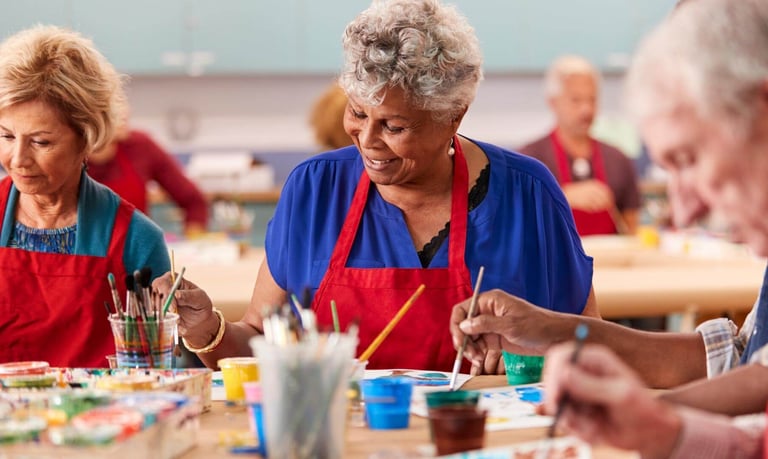
Maintaining your independence is the ultimate goal of a proactive health routine, allowing you to enjoy life on your own terms. By prioritizing nerve health and functional mobility, you ensure that you can continue performing the activities that bring you joy and purpose. Strength, balance, and resilience are the pillars that support a long and self-sufficient life.
Independence in our later years is deeply connected to our ability to move freely and without hesitation in our own homes and communities. This autonomy relies on a finely tuned partnership between your muscles and your nervous system, which together govern your balance and coordination. When you take steps to support your nerves, you are essentially investing in your "physical insurance policy." Being able to drive, garden, or play with grandchildren requires a system that can respond quickly and accurately to the world around you, making nerve vitality the bedrock of a self-reliant lifestyle.
Functional mobility is about more than just strength; it is about the quality of the signals traveling from your brain to your limbs. To stay independent, it is crucial to engage in activities that challenge your "proprioception," which is your body's ability to sense its position in space. Simple exercises, such as standing on one leg while holding a chair or walking heel-to-toe, keep these neural pathways sharp and active. By consistently practicing these movements, you reduce the risk of common household accidents and maintain the confidence needed to navigate your environment safely and effectively.
Nutrition also plays a strategic role in preserving independence by ensuring your nervous system has the energy it needs to function. As we age, the body may require higher concentrations of specific nutrients, like Vitamin B12 and Magnesium, to maintain nerve conduction and muscle control. A diet that supports these needs helps prevent the occasional feelings of sluggishness that can sometimes lead to a more sedentary lifestyle. By fueling your body with intention, you provide the biological support necessary to remain active, alert, and fully in control of your daily choices.
The social and emotional aspects of independence are equally important, as they provide the motivation to stay physically healthy. Having the energy and comfort to visit friends, attend community events, or travel depends on a body that feels capable and resilient. When you feel physically secure, you are more likely to stay socially engaged, which has been shown to have a protective effect on both cognitive and neurological health. Independence is a virtuous cycle: the more you do to support your body, the more your body allows you to do the things you love.
Finally, staying independent means being proactive rather than reactive when it comes to your well-being. Instead of waiting for discomfort to dictate your schedule, adopting a daily "vitality ritual" allows you to stay ahead of the curve. Whether it is a dedicated walking routine, a specific nutritional protocol, or prioritizing restorative sleep, these actions are the tools of a self-determined life. Your future self will thank you for the care you take today, as each mindful choice builds a stronger foundation for a vibrant, active, and truly independent tomorrow.